Story of the Tie
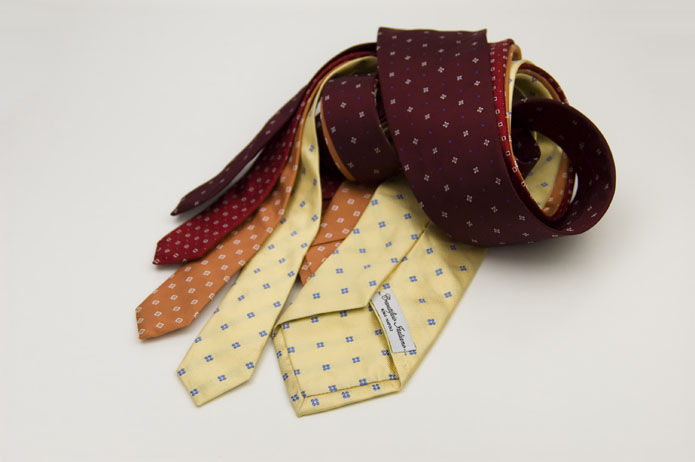
The tie is one of the most iconic accessories in men’s elegance. Today it is a choice rather than an obligation, and that is precisely why it still offers room for personal expression in modern menswear.
From the earliest forms worn in antiquity to the modern construction introduced in the twentieth century, its history traces the passage from practical function to symbol of style, leading to today’s artisan Made in Italy ties.
The essential milestones
A concise overview of the phases that turned the tie into a lasting code of masculine elegance.
Origins
The earliest forms of neckwear date back to antiquity, when Roman legionaries wore strips of cloth for warmth and protection.
The birth of the tie
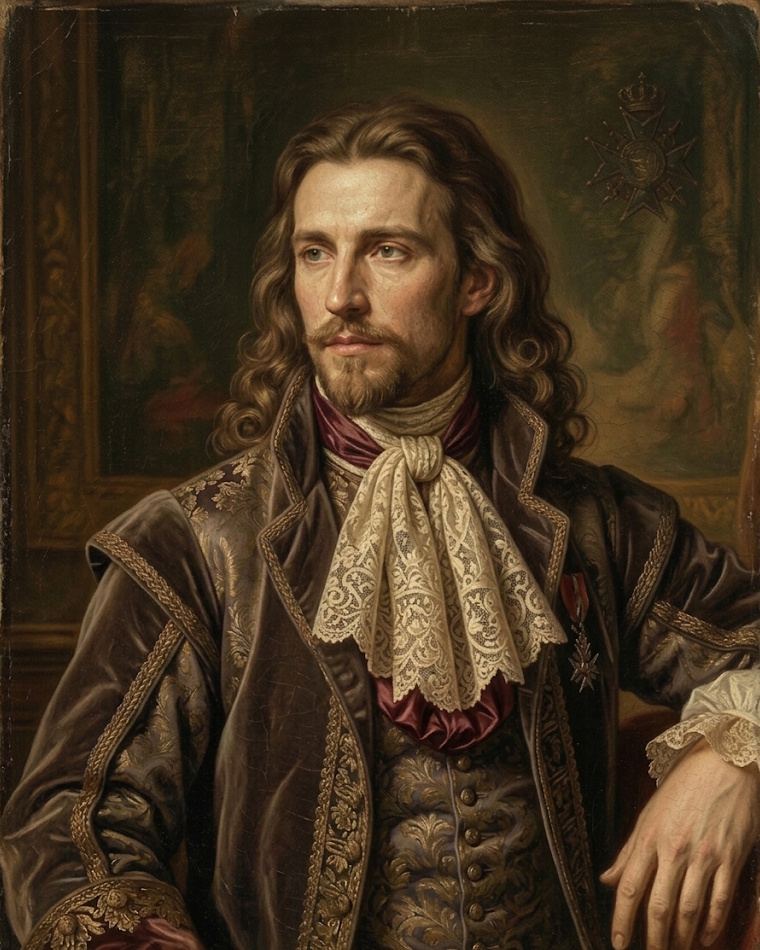
In the seventeenth century Croatian soldiers introduced the knotted neck scarf that the French transformed into the word and style of the “cravate”.
The golden age
Through aristocracy, dandyism and bourgeois tailoring, the tie became a defining sign of modern elegance and of men’s style.
Contemporary construction
In 1924 Jesse Langsdorf established the bias cut and three-piece structure that still guide the making of silk ties today.
What makes a tie truly precious
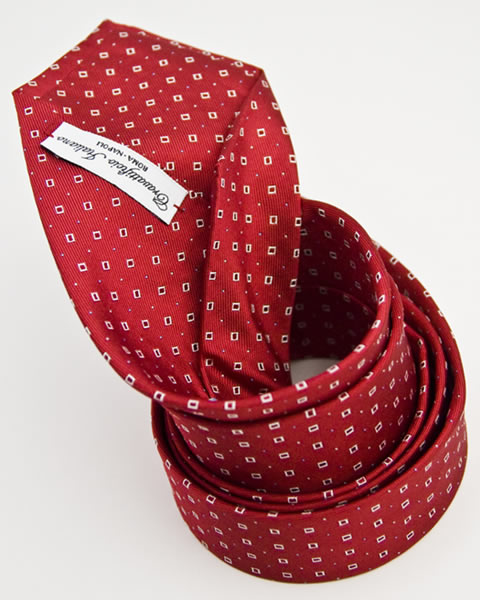
Material, hand feel, construction and knot behaviour are the real indicators of the quality of an artisan tie.
- Silk remains the material of excellence: it gives light, elegance and a refined perceived quality to silk ties.
- Folds, interlining and tip symmetry influence balance and drape.
- A well-made tie creates natural volume and keeps a clean, composed line.
- Wearing a tie today means reinterpreting a centuries-old tradition with personal style.